
Qeshm Island
UNESCO Global Geopark







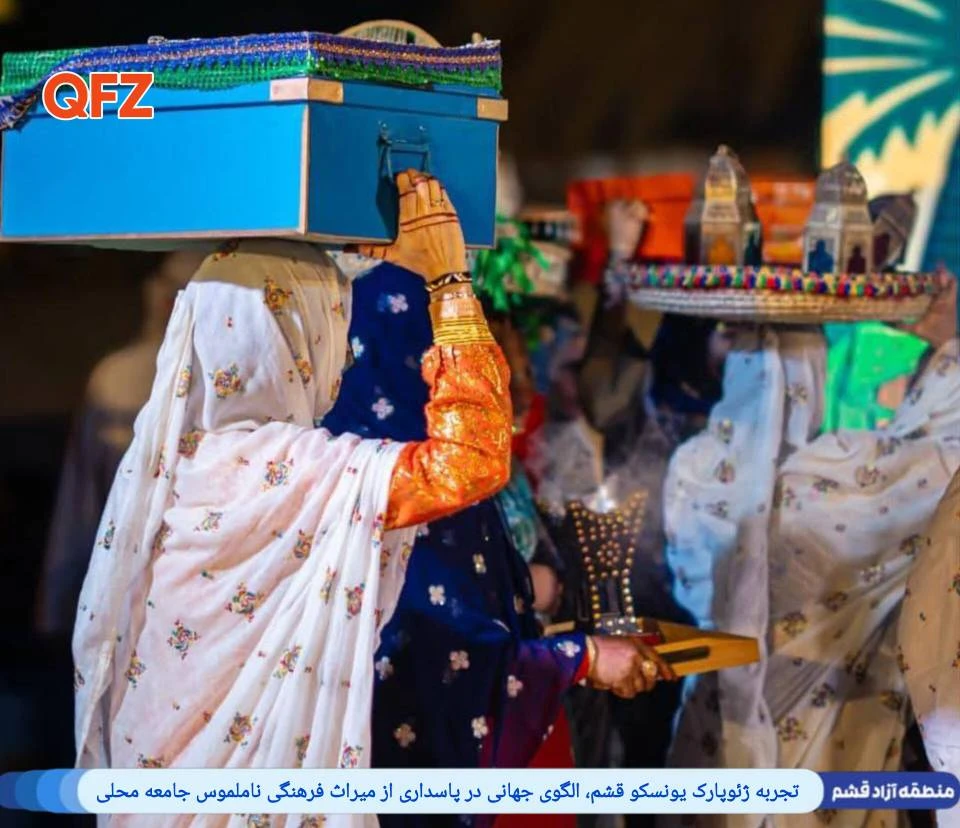
Qeshm Island UNESCO Global Geopark stands as a successful example of safeguarding the intangible cultural heritage of local communities. Intangible cultural heritage encompasses customs and traditions, rituals, music, languages and dialects, games, oral literature, and skills that shape the identity of a community.
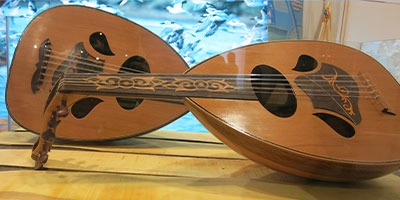
Across Qeshm Island, particularly in villages neighbouring geosites, these heritage elements remain vibrant and alive. From local melodies and traditional customs associated with weddings and religious celebrations to indigenous fishing skills, traditional dhow-building, and local cuisine, each reflects the profound relationship between people and the Island's natural and cultural environment. The role of local communities in safeguarding and promoting this heritage deserves recognition and appreciation.
These traditions form the collective identity of local communities. At a time when loss of identity has become a serious challenge in contemporary society, efforts and initiatives aimed at reconnecting today's communities with the intangible treasures preserved in the heart of the Island's villages represent a valuable undertaking. In recent years, Qeshm Island UNESCO Global Geopark has sought to keep this heritage alive within local communities. To this end, a variety of cultural programmes and initiatives related to intangible cultural heritage have been developed and implemented. A notable example is “Eish-e Jazirati” Festival, held in Dehkhoda village through the collaboration of the village administration, the local council, community members and Geopark partners.
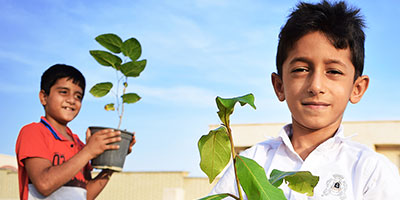
The festival focused on traditional Qeshmi wedding customs and sought to revive local music, traditional attire and indigenous marriage ceremonies of the Island. Documenting traditions, skills and local knowledge through film, photography and oral narratives, inviting the public to experience these traditions firsthand, encouraging children's participation in festivals and cultural events that bring customs and skills to life, and creating economic incentives for local communities are among the approaches adopted by Qeshm Island UNESCO Global Geopark to safeguard intangible cultural heritage.
Through such initiatives, Qeshm Island UNESCO Global Geopark has demonstrated that intangible cultural heritage is not a passive legacy but a living asset sustained through the active participation of local communities, visitors and researchers. On the occasion of the International Day of Intangible Cultural Heritage, Qeshm Island reminds us that safeguarding culture, traditions and traditional skills is just as important as protecting the Earth itself.
Latest News
-

پرنده نگری در جنگل حرا به مناسبت هفته گردشگری
Published on : Oct 18, 2025 -

آشنایی نوجوانان قشم با میراث طبیعی جزیره؛ تقویت فرهنگ حفاظت از ژئوپارک
Published on : Oct 18, 2025 -

ژئوپارک جهانی قشم از دوربین نگاه شما
Published on : Oct 18, 2025 -
Clean Cave Day
Published on : Oct 18, 2025 -

دیپلماسی ژئوپارک جهانی قشم
Published on : Oct 18, 2025 -

از خلیج فارس تا چین
Published on : Oct 18, 2025 -

قشم در کانون تعاملات بینالمللی ژئوپارکهای آسیا و اقیانوسیه
Published on : Oct 18, 2025 -

سالانه ۲۰۰ هزار نهال حرا؛ تقویت زیستبوم در روستای جهانی سهیلی
Published on : Oct 18, 2025 -

برگزاری آیین «چی چکا حرا سهیلی» با رویکرد گردشگری احیاگر در روستای جهانی سهیلی؛ یادواره زندهیاد ماما حوا
Published on : Oct 18, 2025 -

چی چکای حرا سهیلی
Published on : Oct 18, 2025